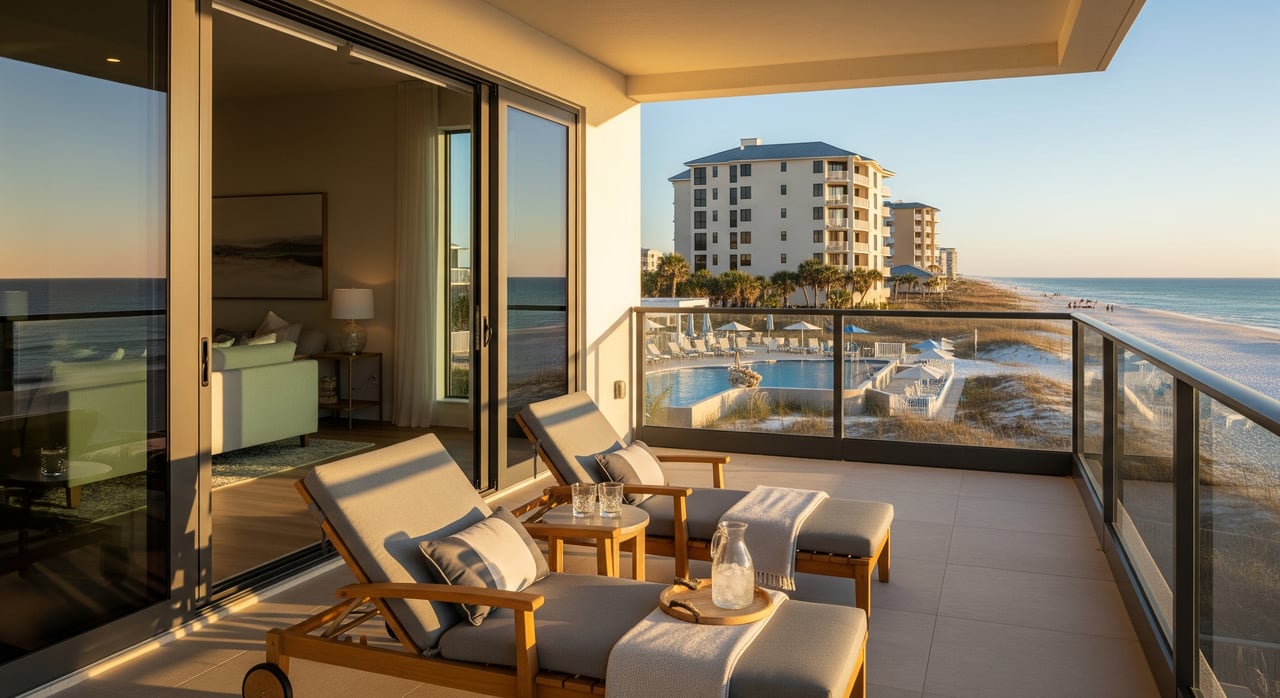
Thinking about buying a condo or home in Panama City Beach and renting it short term? You’re not alone. PCB is a classic Gulf Coast destination with surging demand in spring and summer, but rules, taxes, and building policies can shape your results. In this guide, you’ll learn how short‑term rentals work here, what to check before you buy or list, and where to verify official requirements. Let’s dive in.
PCB market basics
Panama City Beach is a seasonal market. Peak demand runs from spring break through summer, with softer shoulder seasons in early spring and fall. Your pricing and occupancy will likely rise in peak months and cool in the off‑season.
Weather is part of the equation. Hurricanes and tropical storms can affect bookings, cancellations, insurance costs, and repair timelines. You should plan for storm‑season policies and reserve funds for unexpected disruptions.
If you are modeling revenue, look at occupancy, ADR, and RevPAR from trusted data tools and local comps. Pair market data with realistic operating costs, including cleaning, management, utilities, platform fees, and insurance.
City vs. county: know your jurisdiction
Rules differ by location. A property in the City of Panama City Beach may follow different requirements than one in unincorporated Bay County. Start by confirming whether your property sits inside city limits or in unincorporated Bay County.
Next, look up the official pages for your jurisdiction. Search the City of Panama City Beach website for short‑term rental or rental registration information, and check Bay County’s planning and code enforcement pages for unincorporated areas. Confirm any updates before you buy or list.
Permits, registration, and taxes
Local governments often require some form of registration or business tax receipt to operate a short‑term rental. While specifics vary, expect to verify:
- Local registration or a business tax receipt for each rental property.
- A designated local agent or manager who can respond 24/7 to complaints and emergencies.
- Safety or standards inspections before you begin renting.
- A fee schedule and renewal cycle, plus a requirement to display your registration number in the listing and inside the unit.
- Rules defining a “short‑term” stay and any local occupancy, parking, or noise limits.
State and local tax obligations
You should register with the Florida Department of Revenue for state sales and transient rental taxes. In addition, the local tourist development tax applies in this area. Review how and where to remit these taxes, and confirm whether your platform collects any portion on your behalf. Platform collection does not replace your responsibility to register and comply.
Enforcement to expect
Most jurisdictions use code enforcement, civil fines, or administrative penalties for noncompliance. Repeated violations can lead to registration suspension or revocation. Associations can also enforce their rules with fines or other remedies. Keep your registration current, post required numbers, pay taxes, and respond promptly to any complaints.
Condo and HOA rules can override
Association rules can be more restrictive than city or county codes. In Florida, condominium and HOA governance is structured by state statutes, and each building or community adopts its own governing documents. Even if the municipality allows short‑term rentals, your association can limit or prohibit them.
Review the declaration, bylaws, rules, and recent meeting minutes. Focus on:
- Whether short‑term rentals are allowed and any rental caps.
- Minimum stay requirements, such as 7 or 30 nights.
- Owner‑occupancy or ownership seasoning before you can rent.
- Registration or approval with the association, including fees.
- Whether you must use an association‑approved manager or designate a local contact.
- Fines and enforcement procedures for violations.
Building‑level realities in beachfront condos
High‑rise properties often present practical constraints. Parking can be limited or assigned, elevators can get congested on turnover days, and housekeeping and trash rules may be strict. Pool and amenity hours and noise expectations are typically posted and enforced. Understand these details upfront because they directly affect guest experience and your reviews.
Insurance, safety, and unit readiness
Many standard condo or homeowner policies exclude short‑term rental operations. You will likely need landlord or commercial coverage with adequate liability limits. Review the master policy for your building and fill any gaps with your unit policy. Consider an umbrella policy for added liability protection.
Flood risk is a key factor along the coast. Check your flood zone and elevation and review lender and insurance requirements. Budget for premiums accordingly.
Set up basic safety and compliance items. Smoke and carbon monoxide detectors, fire extinguishers, and posted evacuation routes are often required. Provide guests with clear contact information and local rules, including evacuation and hurricane procedures.
Management and operations
Decide how you will manage the property. Many communities require a local contact available 24/7, which is easier with a local manager if you live out of the area. If you self‑manage, make sure you can meet response requirements and coordinate vendors reliably.
Align your booking rules with local realities. During storm season, build fair cancellation terms and consider offering travel insurance options through your platform. Keep house rules simple and visible. Quick responses and clear communication reduce complaints.
Budget for the real cost of operations. Common expenses include property management fees, platform and payment processing fees, cleaning and turnover, utilities and internet, routine maintenance, higher wear and tear, local registration fees, and insurance. Seasonality means your strongest revenue months fund your slower periods.
Step‑by‑step due diligence
Use this checklist before you buy or list a short‑term rental in PCB:
- Confirm jurisdiction. Determine if the property is in the City of Panama City Beach or unincorporated Bay County and review the applicable rules.
- Verify registration needs. Check for a short‑term rental registration or business tax receipt, application steps, inspections, and fees.
- Map taxes. Register with the Florida Department of Revenue and confirm local tourist development tax rates and remittance procedures.
- Read association documents. Obtain the condo declaration, bylaws, rules, and recent minutes. Flag rental prohibitions, minimum stays, and approval steps.
- Ask the HOA in writing. Request the current short‑term rental policy and whether any enforcement actions are pending.
- Check building logistics. Confirm parking space counts, elevator use rules, amenity hours, guest registration, and any special assessments or litigation.
- Price insurance. Compare landlord or commercial coverage options, verify master policy coverage, and get flood insurance quotes if required.
- Plan management. Identify local managers and compare service levels and fees, or confirm how you will meet local contact requirements.
- Model revenue. Use credible data for ADR, occupancy, and seasonality and review similar listings and local MLS comps.
- Prepare guest policies. Align cancellation and storm policies with local practices and platform rules.
- Confirm compliance posting. If a registration number is required, plan to display it in your listings and inside the unit.
- Check financing. If using a lender, confirm how they view short‑term rental income and any condo or HOA restrictions that affect underwriting.
What this means for your investment
Short‑term rentals in Panama City Beach can work well when you pair a strong peak season with disciplined compliance and operations. The keys are clear: confirm your jurisdiction’s rules, read the association documents closely, budget for insurance and storm risk, and build guest‑friendly policies that reduce complaints. With good due diligence and a realistic operating plan, you can position your property for steady performance across the year.
Ready to explore PCB opportunities?
If you want a seasoned local advisor to help you find the right building, review documents, and clarify the path to compliance, we are here to help. Bedel Thomé brings senior‑level counsel, neighborhood intelligence, and Compass‑grade marketing to every purchase. Schedule a Consultation to talk through your goals and next steps.
FAQs
What counts as a short‑term rental in Panama City Beach?
- Definitions vary by jurisdiction and association, but many rules treat stays under 30 days as short term. Always check your city or county code and your HOA documents.
Do I need a license or registration to operate a PCB vacation rental?
- Many properties require local registration or a business tax receipt, plus a posted registration number and a designated local contact. Confirm the current requirements for your specific address.
How are taxes handled for PCB short‑term rentals?
- You typically register with the Florida Department of Revenue for state sales and transient rental taxes and remit the local tourist development tax separately. Platforms may collect some taxes, but you remain responsible for compliance.
Can my condo association prohibit short‑term rentals even if the city allows them?
- Yes. Association documents can restrict or ban short‑term rentals, set minimum stays, and require approvals, subject to Florida condominium and HOA statutes.
What insurance do I need for a PCB vacation rental?
- Standard homeowner or condo policies often exclude short‑term rentals. You may need landlord or commercial coverage, adequate liability limits, and flood insurance based on your zone and lender requirements.
How does seasonality affect PCB rental income?
- Peak months are spring through summer, with softer shoulder seasons in early spring and fall. Plan cash flow, rates, and reserves accordingly to bridge slower periods.